
Capabilities
Engineering at the core.
Aragna Tech helps companies design, industrialize and manufacture composite pressure vessels. These are the six ways we work with manufacturers, investors and counsel. Most engagements combine several.
01
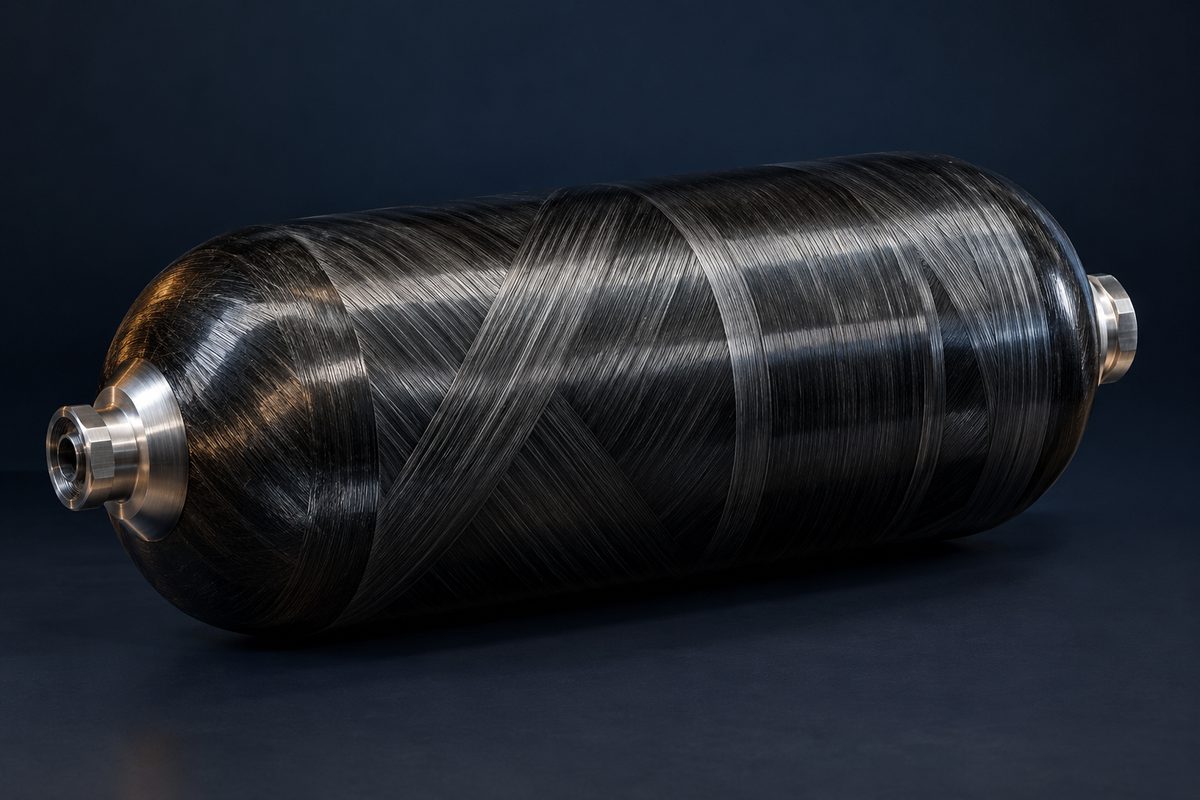
COPV engineering & design
Clean-sheet design and optimization of Type 2 to Type 5 vessels, from concept through analysis, development and qualification support. The aim is the lowest carbon fiber mass that still passes the governing standard the first time.
- Laminate design and dome contour
- Boss and polar boss geometry, including the Aragna in-house polar boss design for plastic-lined Type 4 cylinders
- Liner choice: aluminum, HDPE, PA-6, PA-12, PET, linerless Type 5
- FEA combined with micromechanics
- Burst and cycle life prediction
- Design reviews of existing vessels and test failures

02
Factory start-up & manufacturing scale-up
Factory concept and layout, equipment specification by workstation, automation strategy and commissioning through first qualified production, then the work of making that production stable and cheaper.
- Factory concept, layout and capacity planning
- Equipment specification by workstation
- Automation strategy
- Winding process development
- Commissioning, operator training and first qualified production
- Lower fiber mass, higher throughput, less scrap and fewer recurring test failures
17+ factory start-ups in 9 countries: USA, Venezuela, Brazil, England, China, Korea, Japan, Vietnam and Thailand. Design projects in Italy (satellite COPV propellant tanks) and Germany.
03
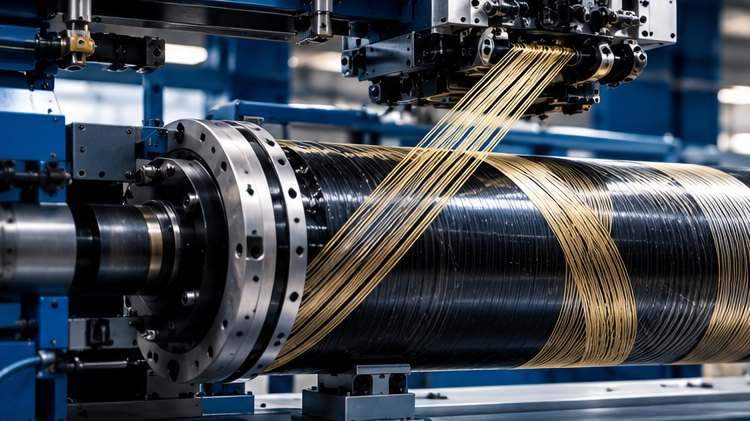
Filament winding, equipment & software
We connect what the vessel needs with the machines, software, materials and process that will build it, and stay with the project through installation and the first production runs.
- Machine set-up and calibration
- Fiber tension and bandwidth control
- Resin and tow selection, wet winding versus towpreg
- Winding pattern design in ComposiCAD
- Equipment requirements and specifications
- Supplier evaluation, procurement and commissioning support
We have specified, purchased and commissioned filament winding machines ourselves, and we are official partners and expert users of ComposiCAD. We work with the major machine builders and recommend what fits your product. Where we have a commercial relationship with a supplier, we tell you up front.
04
Certification, testing & quality support
We help you pick the right standard, plan the test matrix and prepare the design file, then work alongside the test labs and inspection bodies. Approvals are issued by the authorities and their appointed bodies; our role is to get you there prepared.
- Choice of standard and approval route
- Burst ratios and fiber stress ratios by fiber type
- Cycling, permeation, bonfire, drop and flaw tolerance tests
- Qualification test plan and design file
- Failure mode and effects analysis (FMEA)
- Working with third-party inspection agencies
Standards we work to: US DOT and PHMSA special permits, ASME Section X, Transport Canada, EU PED and TPED, EN 12245, ISO 11119-3, ISO 19881, NGV2, Chinese GB/T, Japanese KHK, Korean KGS.
05
Technical advisory & due diligence
An experienced, independent view for investors, buyers and manufacturers: what a factory can really produce, what a technology is worth, and where the technical risk sits.
- Technical due diligence for acquisitions
- Factory and manufacturing audits
- Capacity and CAPEX verification
- Technology valuation
- Feasibility studies and techno-economic assessments
- Independent design and supplier reviews
06
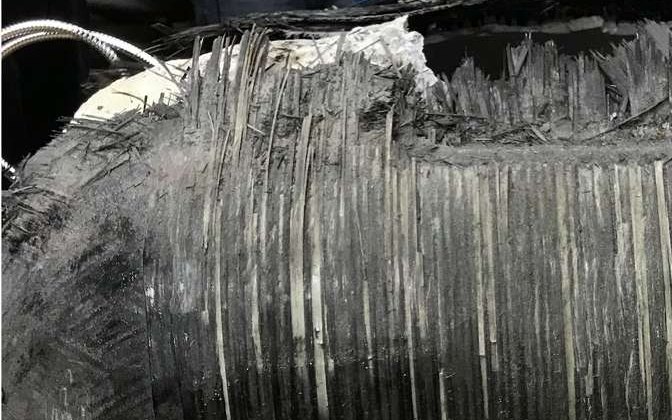
Expert witness & forensic engineering
Independent technical analysis for cylinder ruptures, leaks and component failures, and for disputes over design, manufacturing and compliance with the governing standard. For plaintiff and defense counsel.
- Root-cause failure analysis
- Joint inspection protocols and evidence handling
- Standards compliance review
- Written reports
- Deposition and rebuttal of opposing experts