ARAGNA TECHExperience. Integrity. Clarity.
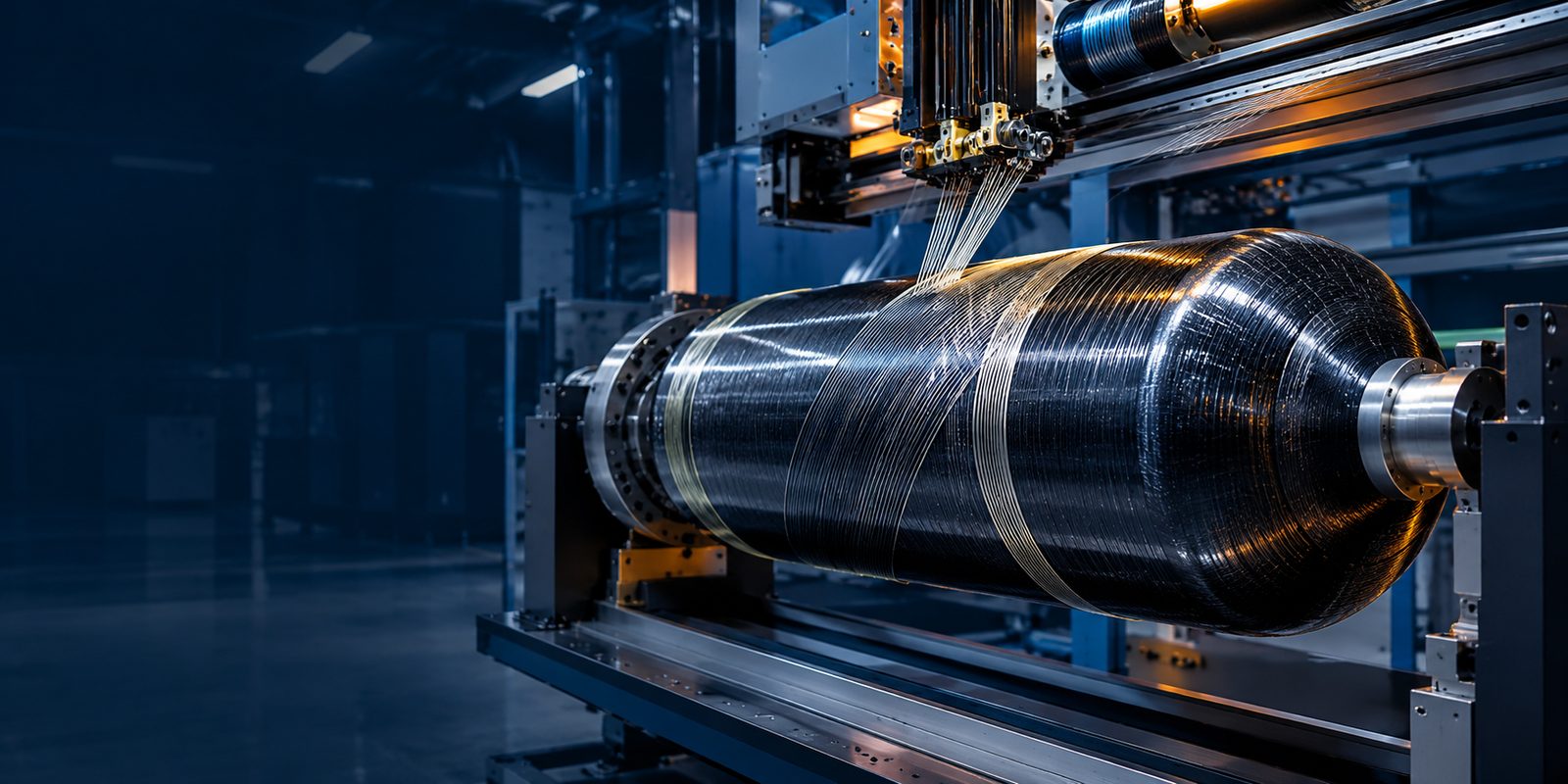
Filament winding head laying fiber tows onto a composite pressure vessel on a winding machine

Composite pressure vessels · Type 1 to Type 5

COPV engineering. Factory start‑up. Filament winding.

From composite pressure vessel design and process development to equipment selection and production ramp-up, Aragna Tech helps manufacturers turn technical concepts into qualified, scalable production.

  • 50+years hands-on
  • 17+factories started
  • 9countries
  • 10M+COPVs built to our designs
Open session

Intro to COPV Design & Manufacturing at NIAR, Wichita State · November 17 to 18, 2026

Reserve a seat →
SCBA
Industrial COPV
Hydrogen & CNG
Defense

Capabilities

Engineering at the core, from the first drawing to the production line.

Aragna Tech helps companies design, industrialize and manufacture composite pressure vessels, combining deep engineering expertise with hands-on factory experience. Most projects draw on more than one of these.

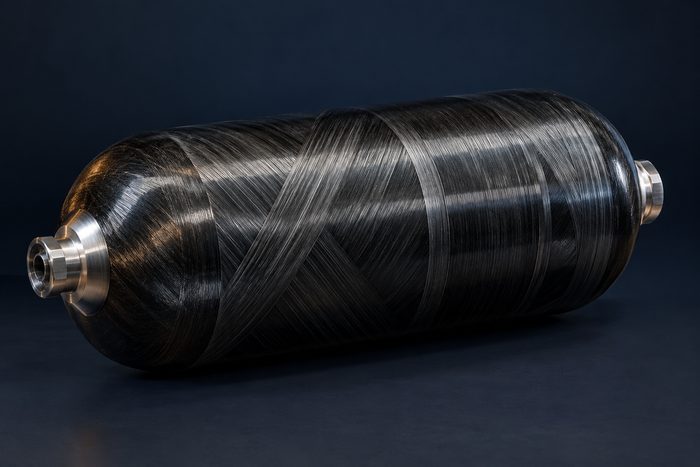
Composite overwrapped pressure vessel with metal bosses on a dark background
01

COPV engineering & design

Design and optimize composite pressure vessels, from concept through analysis, development and qualification support.

  • Structural design and FEA with micromechanics
  • Liner, fiber and laminate selection
  • Dome contour and polar boss design
  • Burst and cycle life prediction
  • Design reviews, Type 2 to Type 5
COPV engineering →
Two engineers with a tablet beside a filament winding machine and a composite vessel on a factory floor
02

Factory start-up & equipment

Plan, equip and start up composite pressure vessel production, then bring it to stable, qualified output.

  • Factory concept, layout and capacity
  • Equipment specification and supplier evaluation
  • Winding process development in ComposiCAD
  • Commissioning and production ramp-up
  • Yield, cycle time and cost improvement
Build or improve production →
Instructor explaining a composite pressure vessel to three engineers beside a filament winding machine
03

COPV training & knowledge transfer

Practical, factory-informed training for design engineers, process engineers, quality teams and machine operators. Build the knowledge to design, manufacture, troubleshoot and qualify composite pressure vessels.

  • Design and engineering fundamentals
  • Qualification, certification and testing
  • Filament winding and manufacturing processes
  • On site at your plant, or remote
  • Open sessions at NIAR, Wichita State
Explore COPV training →
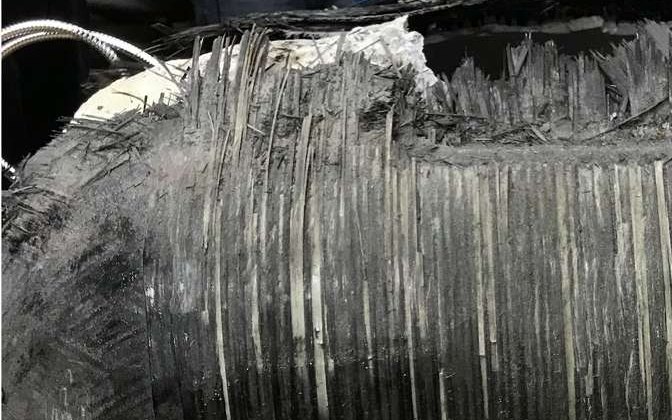
Fractured carbon fiber overwrap on a failed composite cylinder
04

Expert witness & advisory

Independent failure analysis for counsel and insurers, and an experienced technical view for investors and manufacturers.

  • Root-cause failure analysis
  • Standards compliance review
  • Technical due diligence
  • Factory and manufacturing audits
  • Certification and testing support
Expert witness services →

COPV training

Build the expertise behind better COPVs.

Learn how vessel design, winding parameters, materials, curing, inspection and qualification work together, from engineers who have started 17+ factories. Available as focused intensives, full programs, remote series and on-site training at your plant.

Open session · Wichita, Kansas

Intro to COPV Design & Manufacturing: Hands-On Filament Winding Training.

Open to engineers from any organization. Design, qualification and manufacturing of composite pressure vessels, taught by Shaun Hogan and Alexis Dubois, PhD. Seats are limited, and the session goes ahead once enough participants have registered.

We have previously delivered a two-day COPV design curriculum to the NIAR team.

Dates
November 17 to 18, 2026 (two days)
Location
NIAR, Wichita State University, Wichita, KS
Registration
NIAR course page
Stage 1

Design & engineering

From concept to an optimized design at the lowest carbon fiber mass.

Stage 2

Qualification & certification

Pick the right standard, plan the test matrix, pass the first time.

Stage 3

Manufacturing & process

Right process, right quality, every cylinder like the one that passed.

Formats
ProgramLengthCovers
Intensive2 daysOne stage in depth, chosen for your team
Full program5 daysDesign, qualification and manufacturing end to end
Operator program1 to 4 weeksHands-on at your plant, on your machine and product
Remote series6 to 10 sessionsLive sessions with worked problems in between
Aluminum linersOn requestType 3 liners: forging, dome spinning, heat treating

Every participant receives the course workbook, a worked design example sized to your product class, and a certificate of completion.

Design & analysis engineersAll three stages, with design as the core.
Process & production engineersManufacturing stage plus process control.
Machine operators & techniciansTaught at the machine, on your product.
QA & inspection staffQualification plus in-process inspection.

How we work

From concept to production.

Design decisions show up on the factory floor, and factory problems trace back to design. We combine engineering and practical manufacturing experience to help you make better decisions at every stage.

  1. 01

    Define

    Understand the application, performance requirements, target market and manufacturing objectives.

  2. 02

    Engineer

    Develop the vessel design, material strategy, structural analysis and manufacturing approach.

  3. 03

    Industrialize

    Select and configure equipment, develop processes, and establish the production and quality systems.

  4. 04

    Optimize

    Support qualification, troubleshoot production, and improve performance, consistency and cost.

50+ years of hands-on experience

Experience that spans engineering and manufacturing.

Few teams have built pressure vessels across the whole range. We have designed them, qualified them and started the factories that build them, and we have fixed the problems that stop production.

Greenfield factory start-ups

Four corners of the world. One playbook, adapted on site.

17+factories started
9countries
10M+COPVs, zero field failures
200+vessels qualified

Factory start-ups: USA · Venezuela · Brazil · England · China · Korea · Japan · Vietnam · Thailand
Design projects: Italy (satellite COPV propellant tanks) · Germany

Problems we have solved on the floor

Every one of these became a lesson in our training.

Leak

Type 4 tanks leaking at the polar boss

Boss and seal geometry redesigned around Aragna’s in-house polar boss design, built for leak-tight sealing on plastic-lined cylinders.

Disbond

Liner pulling away from the composite

Root cause traced to the process on a Type 4 CNG line, corrected and requalified.

Fracture

Polar boss fracture in service

Load path and manufacturing contribution identified, design and process corrected.

Exotherm

Thick 70 MPa walls overheating in cure

Low-temperature cure schedules and step-back winding to stop distorted domes and damaged liners.

Wrinkles

Fiber wrinkling and low burst in thick laminates

Winding tension, pattern sequence and internal mandrel pressure brought back under control.

Permeation

Hydrogen permeation too high above 55 MPa

Liner moved from HDPE to PA-6 and PA-12, with the molding process adjusted to suit.

−40 °C

Plastic liners cracking in the cold

Liner formulation and molding conditions changed to meet low-temperature cycling.

Weight

Cylinder too heavy to compete

Composite weight cut by 25 percent while still passing DOT burst and drop tests.

Start-up

New plant stuck between prototype and production

Layout, workstation equipment and operator training through to first qualified production.

Applications

From low-cost, high-volume cylinders to flight hardware.

We have worked where the fight is over cents per cylinder and where it is over grams per tank, and the lessons carry both ways: aerospace discipline makes a commodity line more reliable, and production thinking makes aerospace parts buildable.

LPG cylinders~2 MPa

Type 4 LPG design and an automated factory concept.

CNG vehicle fuel20 to 25 MPa

Type 2 to 4 production lines in Asia and South America.

SCBA breathing air30 MPa

Type 3 and Type 4 firefighter cylinders, PET and aluminum liners.

Gas transport & MEGCs25 to 55 MPa

Large-diameter tubes for trailers and stationary storage.

Hydrogen35 to 100 MPa

Type 3 and 4 fuel tanks, hoop-wrapped Type 2 tubes.

Aerospace & defensemission-specific

Satellite propellant tank design, and COPV technology transfer for space programs under Boeing offset agreements. Our aerospace heritage →

Equipment, software & technology

The right technology for your manufacturing goals.

We help manufacturers evaluate and integrate filament winding equipment, software, materials and production processes, based on the product, the volumes and the budget.

Buyer-side experience

We have specified, purchased and commissioned filament winding machines ourselves, so we know what to settle before the purchase order.

Specifications suppliers can quote

Machine and workstation requirements written around your vessel, your volumes and your factory, so offers can be compared on equal terms.

Winding design software

Official partner and expert users of ComposiCAD winding design software, from pattern design to the program on the machine.

Supplier-flexible

We work with the major machine builders and recommend what fits your product. Where we have a commercial relationship with a supplier, we tell you up front.

Expert witness & forensic engineering

Independent technical insight for complex disputes.

Independent technical analysis for matters involving composite pressure vessels, high-pressure gas storage, manufacturing processes and product failures, for plaintiff and defense counsel.

Cylinder rupture

Burst in service, during filling or in transport. Fracture origin and failure sequence.

SCBA cylinders

Firefighter breathing air cylinders, service life, inspection and requalification history.

CNG & LPG fuel systems

Vehicle fuel cylinders, mounting, impact and chemical exposure damage.

Hydrogen storage

35 to 100 MPa Type 3 and Type 4 vessels, liner leaks, permeation, boss sealing.

Trailers & MEGCs

Tube trailers and multiple-element gas containers, manifolds, valves and transport loads.

Components & standards

Polar bosses, liners and valves, and whether design and production met the governing standard.

Oxygen cylinders & regulators

Aviation emergency oxygen, medical and industrial oxygen cylinders, valves and regulators, cleanliness and requalification records.

Fire cases

Cylinder, valve and regulator analysis alongside the certified fire investigator retained for origin and cause.

Selected engagements

What our clients got out of it.

Two recent projects, described at a high level. Our clients compete in tight markets, so we keep names and specifics confidential.

Composite tank manufacturer · United States

Custom design software and a product redesign

Challenge
Moving into automated filament winding of large composite tanks, a new process for the team. Designs from outside consultants tended to over-build the product, costing material and quoting accuracy.
Approach
We helped engineer a new standard tank design around the client’s actual manufacturing process, and built custom design software that validates layup sequences before anything is wound. The client now sets its own layups; its engineer of record checks and stamps them.
Result
40% less material on a redesigned tank; a standard design covering about 80% of orders; nearly a year’s design work done in under eight months while production scaled to five winders within 24 months.

Energy technology company · North America and Europe

A novel gas application, from concept to supplier shortlist

Challenge
Compress, store and move large volumes of an unconventional gas, where liner compatibility, vessel temperatures during cold-weather discharge and approval rules all needed answers, and those rules differ between the US and Europe.
Approach
We compared vessel types and liners, ran a techno-economic analysis of storage and transport options, connected the client with leading cylinder manufacturers, and advised on thermal management and test instrumentation drawing on our MEGC projects.
Result
Tank procurement launched with competing offers from two leading manufacturers, a clear vessel strategy for both continents, and a demonstration test approach. Aragna Tech continues to support the next phase.
“You guys were instrumental in helping us engineer that design as we were bringing this new technology in, and then we’ve taken it to scale.”
Composite manufacturing client
“Your help has been instrumental in keeping us light, fast and nimble, so that we’re not over-quoting or over-building for the application.”
Composite manufacturing client
“Very professional, a great working experience, but you’re almost too good. If it’s one of my competitors, I’d keep you guys locked away and hidden.”
Composite manufacturing client
“We had a novel technical application, and Aragna Tech helped us find the right solution. They brought a lot of expertise and some new ideas.”
Energy technology client
“A client once told us we’re not famous. I take that as a compliment. Our job is to keep our customers’ secrets.”
Shaun Hogan, President, Aragna Tech

References available. Serious inquiries can speak directly with past clients. Ask us and we’ll arrange an introduction.

Request a reference

About us

Two principals. You work with us directly.

Aragna Tech is the evolution of Hansho Composites, a leader in Asia-Pacific composite pressure vessel engineering for over 20 years. Shaun and Alexis run every engagement themselves: the design and start-up work, the training and the expert opinions.

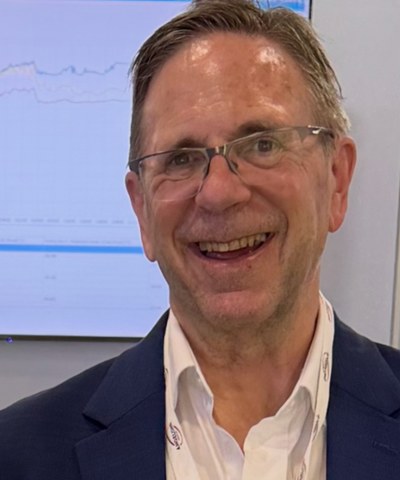
Shaun Hogan

Shaun Hogan

President; Principal Engineer, Composite Pressure Vessels and Failure Analysis

More than forty years designing, qualifying and building filament-wound pressure vessels, from GPS launch motor cases to 70 MPa hydrogen tanks. Over 200 vessels qualified and more than ten million cylinders built to his designs, with zero field failures.

Read full bio →
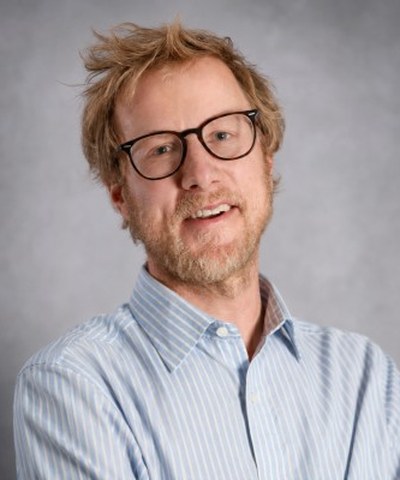
Alexis Dubois, Ph.D.

Alexis Dubois, Ph.D.

Vice-President; Hydrogen Safety and Gas Infrastructure, COPV and Composite Manufacturing

Hydrogen and compressed gas from electrochemistry to the trailer, hydrogen safety and forensics, and composite manufacturing equipment and automation. Former Director of Engineering at Steelhead Composites; Ph.D., Colorado School of Mines.

Read full bio →
Formerly Hansho CompositesThe same people and track record, now under the Aragna Tech name.
Colorado, USABased in Colorado. Engagements are run by our US principals.
ComposiCAD partnerOfficial partner and expert users of ComposiCAD winding design software.

Questions

What people ask us first.

Short answers. Ask us for the long ones.

Can you help us choose and commission a filament winding machine?

Yes. We have specified, purchased and commissioned filament winding machines ourselves. We write the equipment specification around your vessel and volumes, compare supplier offers, and support installation and commissioning through first qualified production.

How long does COPV filament winding training take?

A focused intensive runs 2 days. The full design, qualification and manufacturing program runs 5 days. Hands-on operator programs at your plant run 1 to 4 weeks depending on shifts and products.

Can you train on our own winding machine?

Yes, and we recommend it. We have specified, purchased and commissioned filament winding machines and work with the major machine builders, so we teach on the equipment your team will actually run.

Does the course prepare us for a specific standard?

We tailor the qualification stage to the standard you are working to, whether that is ISO 11119-3, ISO 19881, a US DOT special permit, EN 12245 or GB/T.

What does a COPV expert witness do?

We review the failed vessel and its records, determine the failure mechanism, assess design, manufacturing, inspection and use against the governing standard, write a report, and testify at deposition and trial.

How early should counsel contact an expert?

Before anyone handles or tests the evidence. A joint inspection protocol agreed early protects the evidence and avoids spoliation disputes later.

Do you work on metallic and Type 1 cylinders?

Yes. Our experience spans Type 1 through Type 5, including hoop-wrapped Type 2 tubes for 100 MPa hydrogen and aluminum liners for Type 3 vessels.

Contact

Have a composite pressure vessel challenge?

Whether you are developing a new COPV, setting up a manufacturing operation, evaluating filament winding technology or solving a production problem, tell us where you are. A principal reads every message and replies within one business day.

Emailsales@aragnatech.com
OfficeColorado, USA
LinkedInAragna Tech
I am looking for